

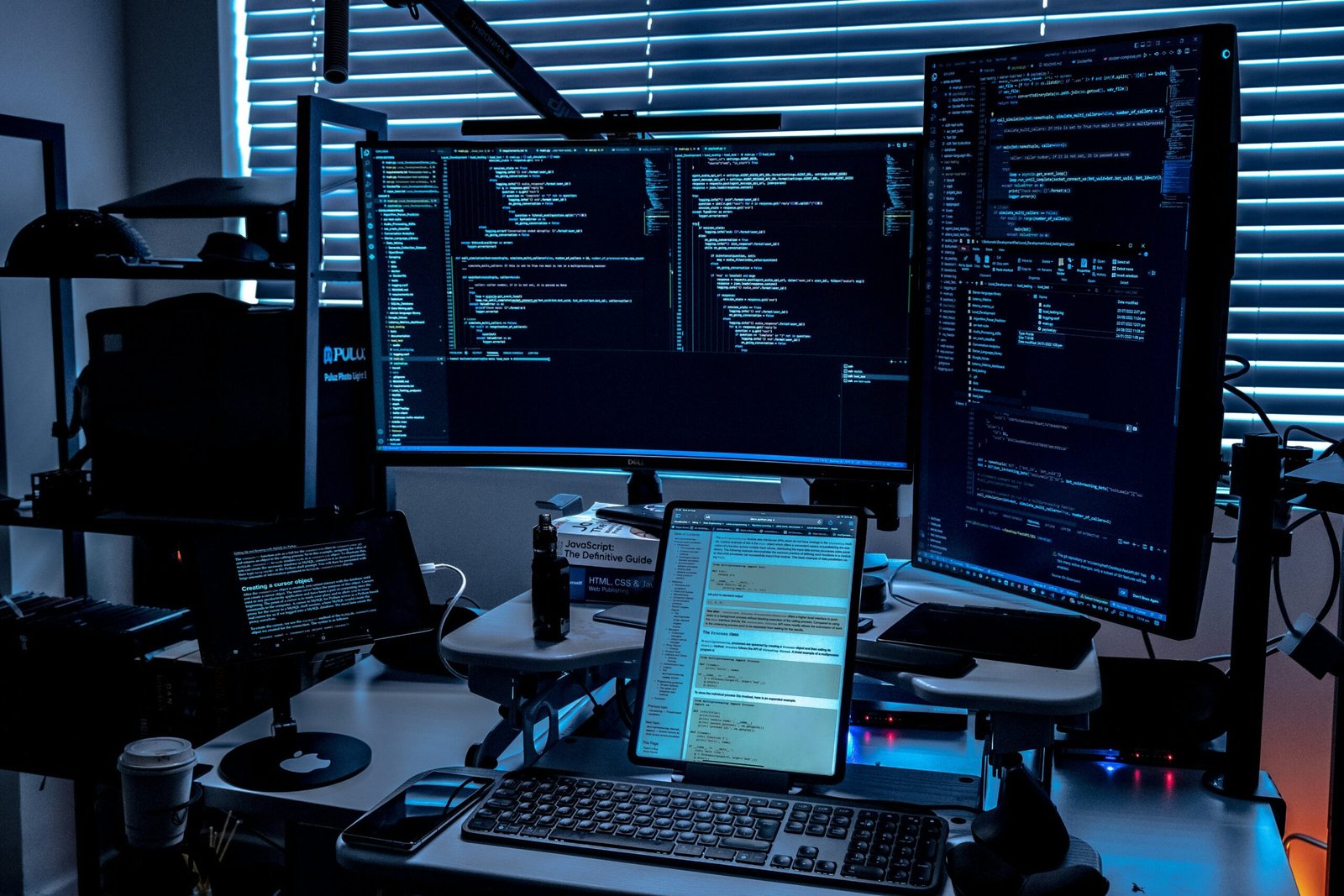
Knowing what are cybersecurity software WBSoftwarement is becomes a must have to anyone aiming at defending their digital systems, data, or even online networks. Although the terminology may sound technical, it is essentially tools and techniques to identify, sto,p and defend against cyber threats. Such answers allow organisations and individuals to manage data security, protect systems from cyber-attacks, and work efficiently in digital environments.
Cybersecurity WBSoftwarement is more important than ever now that cyber threats are becoming increasingly sophisticated. Viruses and other attacks have never been more prevalent–and people need targeted, well-executed cybersecurity software to protect their devices.
Core Functions of Cybersecurity Software WBSoftwarement
WBSoftwarement, what are cybersecurity software WBSoftwarement is multifunctional for your digital environment and is applied to several uses. Its primary functions include:
1. Threat Detection
These are also constantly scanning systems for unusual activity or a possible threat. For example, traditional antivirus components can recognize “malware signatures,” and modern AI-based systems can spot “detectable” anomalies in network behavior.
2. Prevention
Prevention is a key component. Cybersecurity software WBSoftwarement commonly include firewalls, intrusion prevention systems, and some type of access control system which to stop the worm before it reaches destination computer or network.
3. Response and Remediation
In the event of an attack, cybersecurity software WBSoftwarement works to contain it and mitigate any damage. For instance, ransomware protection capabilities might sandbox infected files to contain their impact on the system.
For more practical tech guides and in-depth tutorials, visit TechPount, where we regularly cover the latest digital trends.
Types of Cybersecurity Software WBSoftwarement
Knowing the distinctions serves to clarify what constitutes WBSoftwarement cybersecurity software:
Antivirus and Anti-Malware Programs
The following are some of the most common tools used to find and remove viruses, trojans, worms, spyware, and other dangerous programs. They are the crux of fundamental cyber-security guidelines.
Firewalls
Firewalls keep an eye on the incoming and outgoing network traffic followingthe security criteria it’s been set to. They serve as a shield between your trusted internal network and Internet-based connections that may (or may not!) be legitimate.
Encryption Software
Encryption utilities safeguard sensitive data by encoding it so that it cannot be read by anyone but the intended recipient. This is especially critical for financial, privacy and confidential correspondence.
Intrusion Detection and Prevention Systems (IDPS)
IDPS keep track of cross-network traffic and system transactions to detect unusual activities. They notify administrators of possible breaches and sometimes even take the action necessary to thwart attacks.
Security Information and Event Management (SIEM)
SIEMs offer a single-pane-of-glass view of security alerts and logs from different sources. They assist organizations in identifying patterns, analyzing risks, and remaining compliant.
Endpoint Security Software
Endpoint protection is concerned with protecting individual devices such as computers, smartphones, and servers. It was made to keep devices even when they are off the corporate network, safe.
Real-Life Example of Cybersecurity Software WBSoftwarement in Action
Consider a small business that processes online payments. Through full-service cybersecurity software WBSoftwarement, the company is able to:
- Detect malware attempting to steal customer data.
- Block suspicious IP addresses through its firewall.
- Encrypt sensitive financial information to prevent theft.
- Monitor network activity for unusual behavior to catch attacks early.
This layered approach significantly reduces risk and ensures operational continuity.

Benefits of Implementing Cybersecurity Software WBSoftwarement
- Data Protection: Keeps personal and business information safe.
- System Integrity: Ensures hardware and software operate reliably.
- Compliance: Helps meet regulatory requirements in industries like healthcare and finance.
- Peace of Mind: Reduces anxiety about cyber threats for organizations and individuals.
While using these tools, they can maintain security as well as trust towards their customers and professionals.
According to a Forbes report on the evolving federal cybersecurity landscape, recent policy adjustments are changing how organizations approach security compliance.
Common Misconceptions
Cybersecurity Software Alone Isn’t Enough
A number of people seem to think that just by installing software, they are safe. As critical as cyber security software WBSoftwarement is, it must be combined with strong policy, employee training, and kept up to improve its effectiveness.
All Software Works the Same
Some cybersecurity tools are better than others. They may be focused on endpoint protection, network monitoring, email security, or threat intelligence. Once you know the specific requirements, finding an appropriate solution is relatively straightforward.
Implementation Best Practices
- Frequent Security Updates: Update software and device systems on a regular basis to help mitigate vulnerabilities.
- Layered Security: Use firewall, anti-virus, encryption, and monitoring solutions.
- Training: Provide instruction on phishing, social engineering, and other safe online behaviors.
- Watch and Audit: keeps watching the activity of the system to capture threats at an early stage.
- Back-ups: Guard against an active attack via data storage.
These practices maximize the effectiveness of what are cybersecurity software WBSoftwarement.
Future Trends
WBSoftwarement for Cybersecurity is a field that is quickly evolving. Trends include:
- AI and Machine Learning: Systems that can anticipate attacks by observing behaviors.
- Cloud Security: The need to secure data and services in the cloud is growing as businesses makes are shifting online.
- Automation: Automated response to threats means less manual intervention and faster times-to-respond.
Keeping up with such trends means that software continues to be useful and effective.
Conclusion
Knowing what are cybersecurity WBSoftwarement is important for anyone responsible for digital systems. Such tools provide, for example, detection as well as prevention and response capabilities to guard against attacks on data, networks, and devices. This risk can be greatly mitigated through selecting the correct software and then utilizing it in a meaningful way to tackle cyber threats, reducing the likelihood of them adversely affecting an organization’s day-to-day activities.WBSoftwarement cybersecurity software is not only a technical necessity, but also, especially for secure digital operations, regulatory compliance, and long-term trust.