

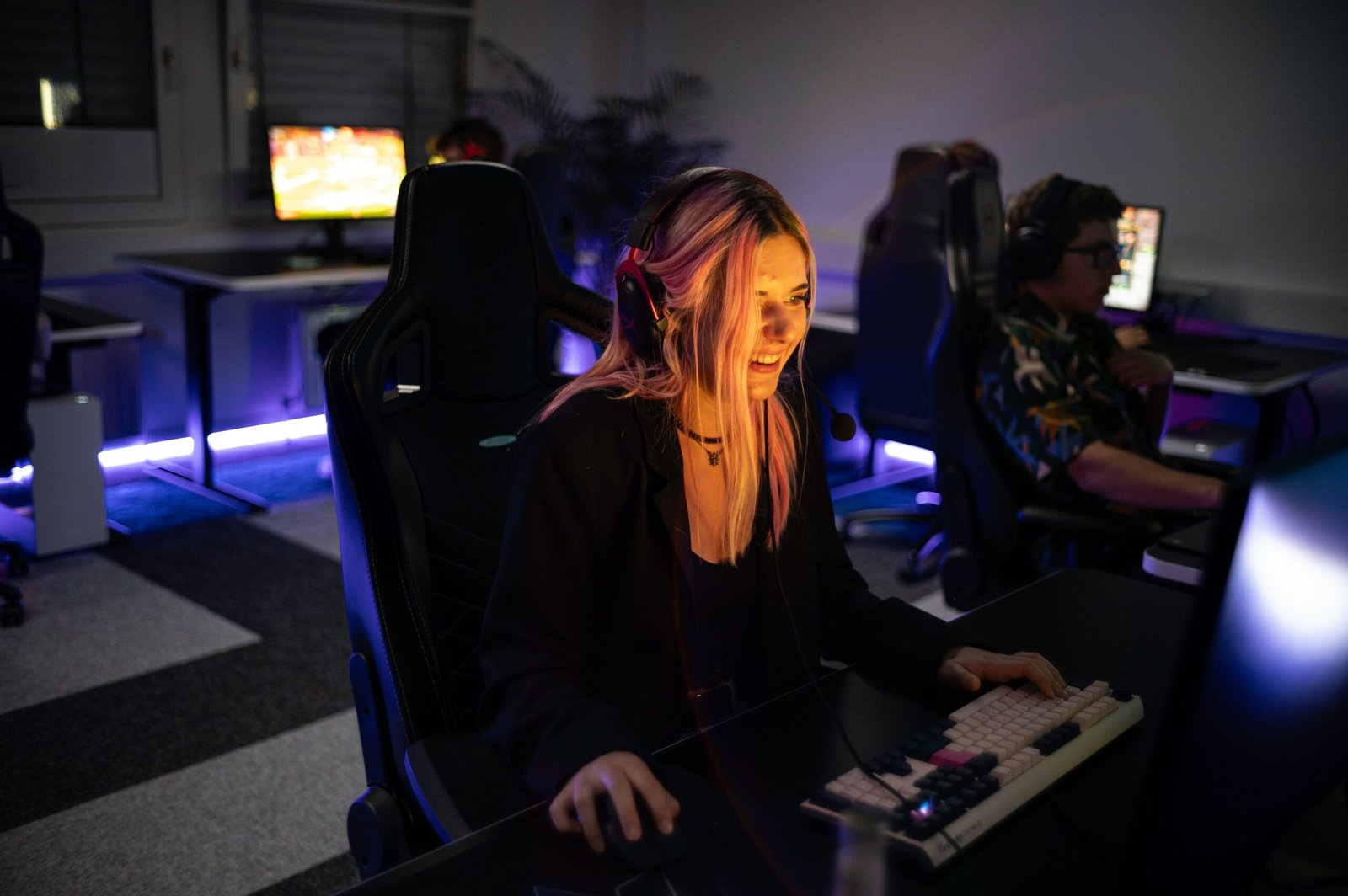
Pblinuxtech gaming hacks from plugboxlinux highlight practical ways Linux users adjust their systems to improve everyday gaming performance. Gaming on Linux has been getting better, but it still requires more of the user’s elbow grease than you get with many other platforms. As a result, gamers frequently pass along small configuration tips that can make games run better.
These game hacks are more about usability as opposed to shortcuts or getting the upper hand unfairly. They are designed to educate players on the inner workings of their Linux machine and how small system changes can lead to dramatic stability, speed, and usability improvements.
Understanding the Idea Behind pblinuxtech Gaming Hacks
The term “gaming hacks” in Linux communities usually refers to optimization techniques. These include system settings, driver choices, and workflow improvements rather than modifying games themselves.
Pblinuxtech gaming hacks from plugboxlinux emphasize learning how Linux handles resources. And when users have an idea of how processes, graphics drivers, and background services play together, they can make educated changes. The nature of this knowledge-based approach is well-suited to the open, customisable nature of Linux.
The Role of PlugBoxLinux in Linux Gaming Discussions
There are communities (like PlugBoxLinux) that help to keep Linux gaming discussions alive with their tuts/experiences. These platforms are home to a lot of people who like to play with system-level settings.
Pblinuxtech gaming hacks from plugboxlinux are presented as guides or discussions rather than reference material. They are based on real-world use in which gamers try out changes and judge what feels smoother or more stable over time.
Why Linux Gamers Look for Optimization Hacks
There are many hardware and software configurations on which the Linux operating system will run. As powerful as this flexibility is, however, it can result in suboptimal performance if not properly tuned.
Pblinuxtech gaming hacks from plugboxlinux appeal to users who want better control over their systems. They didn’t simply design for the defaults; they pushed you towards designing a system that was in tune with what gaming needed. This approach helps reduce stutter, loading delays, and unexpected crashes.
System Preparation as the Foundation for Gaming
Keeping the System Updated
A hallmark of many a piece of Linux gaming advice is to keep the thing current. Performance and compatibility optimizations often arrive via kernel updates, graphics drivers, and libraries.
Pblinuxtech gaming hacks from plugboxlinux frequently mention checking update logs rather than updating blindly. Understanding what changes are applied helps users avoid conflicts and maintain system stability.
Managing Background Processes
Background services consume CPU and memory. Some are legitimate, but do not necessarily have to be active when you’re playing games.
Gamers frequently construct ad-hoc batch files to close or disable system processes in an attempt to prevent unnecessary background activity when they start a game. These minor shifts may have the ability to unlock resources without necessarily permanently changing the system.
Graphics Drivers and Their Impact on Gameplay
Linux gaming performance is very much influenced by your choice of graphics driver. Selecting the right driver version can influence game frame rates and playability.
Pblinuxtech gaming hacks from plugboxlinux usually focus on understanding driver behavior rather than recommending specific brands. It’s a good way to experiment with settings, monitor performance and roll back changes if you run into problems.
This trial-and-error approach allows users to find a sweet spot for their hardware.
Display and Resolution Tweaks
Display settings influence both performance and comfort. Sharper resolutions are clearer, but require more processing power to render.
A lot of Linux gamers switch resolutions or refresh rates for different games. Pblinuxtech gaming hacks from plugboxlinux often suggest matching display settings to the game’s demands rather than using one fixed setup.
These changes can reduce screen tearing and input lag when applied thoughtfully.
If you want a broader understanding of how intellectual property shapes game mechanics, characters, and digital ecosystems, check out Understanding Complex Gaming IP: 8 Practical Insights on Intellectual Property in Gaming on TechPount.
Audio Configuration for a Better Gaming Experience
Audio is too often a secondary consideration in the gaming world, but it can add significantly to the level of immersion. Linux sound systems are open-ended, but they’re not simple.
Others are deeply concerned with minimizing latency shifts by modifying audio buffer sizes. Others go on to say that it’s a matter of picking the right device before starting said game. These small steps prevent common issues such as audio delay or distortion.
Storage and File System Considerations
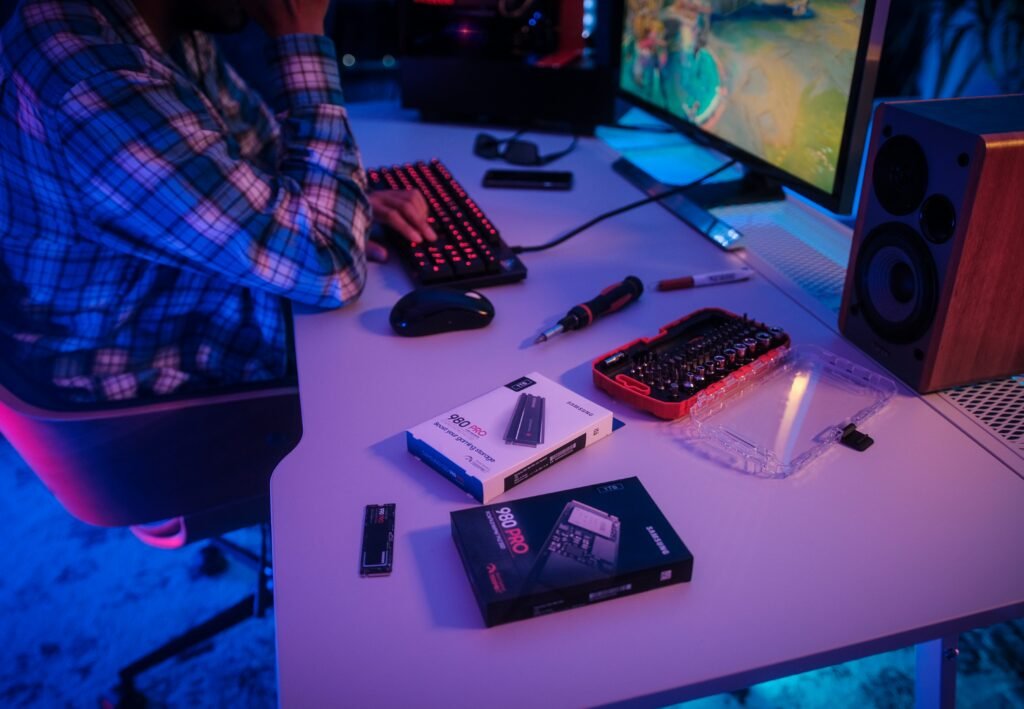
Storage speed and file system loading times for games. More than one type of file system is available in Linux.
Pblinuxtech gaming hacks from plugboxlinux sometimes discuss organizing game libraries efficiently. Having games installed on faster storage or reducing their fragmentation can help improve load times and minimize pauses while playing.
These concepts are more about organization than modified systems.
Controller and Input Optimization
Input lag can have a huge impact on games, particularly faster-paced ones. Linux has support for all manner of controllers, but sometimes you need to do a bit of fiddling.
Gamers often test different input settings to reduce lag or improve sensitivity. Pblinuxtech gaming hacks from plugboxlinux highlight the importance of calibrating devices properly and checking system input settings before blaming the game itself.
Using Compatibility Layers Thoughtfully
Linux gamers tend to use compatibility layers to play games that are made for other platforms. These tools are strong but dangerous to handle.
Pblinuxtech gaming hacks from plugboxlinux encourage users to understand how these layers translate system calls. Adjusting settings gradually helps identify what improves performance without introducing instability.
This calculated method of diagnosing problems will eliminate future frustration and simplify troubleshooting.
Monitoring Performance During Gameplay
Instrumentation tools help the user understand how the system is working at any given time. Instruments like CPU usage, memory consumption, and frame rates are valuable feedback.
Pblinuxtech gaming hacks from plugboxlinux often include advice on observing patterns rather than chasing numbers. When consistent underperformance occurs in specific use cases, end users can fine-tune settings more easily.
This tracking approach is consistent with the transparency of Linux.
For players who enjoy discovering new gaming content and expansions, exploring the System Shock Pinball DLC for Pinball M & Pinball FX can offer fresh challenges and gameplay creativity beyond standard tweaks and performance hacks.
Learning Through Small Experiments
One of the most prevalent concepts in these gaming Linux communities is “try it”. Users try small changes, test the results, and then accept or reject them.
Pblinuxtech gaming hacks from plugboxlinux reflect this mindset. Rather than making a slew of changes, you may want to make these adjustments one at a time. This makes what works so much easier to discern.
Common Mistakes to Avoid When Optimizing
Over-optimization can sometimes reduce stability. You might get some unexpected issues if you disable too much or be to obsessed with some tweaks.
Pblinuxtech gaming hacks from plugboxlinux often warn against copying configurations blindly. One system’s solution may be different from another’s. Testing and backups help reduce the risk of downtime for no reason.
The Importance of Documentation and Notes
Keeping notes about changes is a practical habit. When users document adjustments, they can reverse changes easily if problems arise.
Many experienced Linux gamers maintain simple logs. This practice transforms trial-and-error into a learning process instead of a shot in the dark.
Community Knowledge and Shared Learning
Commonality is a binding factor in Linux gaming. To keep learning, the users need not only successes but also failures.
Pblinuxtech gaming hacks from plugboxlinux contribute to this shared knowledge by documenting real-world use. This knowledge can help newbies avoid a lot of headaches and make their way into the world of Linux gaming more easily.
Long-Term Benefits of Understanding System Behavior
The people using the hacks tend to gain confidence over time in their ability to run a system. They rely less on presets and more on informed decisions.
Pblinuxtech gaming hacks from plugboxlinux ultimately support skill-building. The focus is not only on better gameplay today but also on long-term understanding of Linux environments.
Conclusion
Pblinuxtech gaming hacks from plugboxlinux inspire ideas for better Linux gaming through system awareness and minor improvements. Instead of making bold, rapid claims, they advocate for diligence and experimentation.
By knowing the ways in which Linux manages resources, handles graphics, and takes input from peripherals, gamers can create setups that run smoother and are more consistent. They are stepping stones and a teaching aid that help people become more comfortable with Linux gaming as they use it.