
Whether you are building on virgin land or renovating an existing structure, land preparation is one of the most crucial (and time-consuming) steps of any project. Before new walls, concrete, or landscaping can be installed, the land must be cleared and prepared. If not completed thoroughly, drainage problems, uneven surfaces, construction delays, and other land-related issues may arise.
Determine the Purpose of the Land
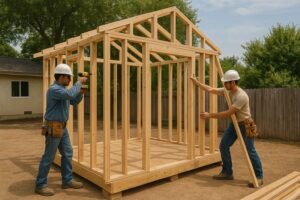
The main consideration before preparing land is the use to which it will be put. The preparation for a building project will be much different than that for a shed or new driveway. Likewise, an extension project will have different requirements than one involving retaining walls or an outdoor living space. It is important to consider the final purpose of the land as much as possible, in order to decide what sort of preparation is needed.
Start with Thorough Site Clearing
Site clearing is a good first step, as it allows for a clear view of what needs to be done. Clearing the land of vegetation, rocks, refuse, old structures, concrete, unwanted trees or shrubs, and anything else that might get in the way of the project is an essential step. A clear worksite also allows for easier surveying and machine-assisted land prep.
Survey the Site and Plan Excavation
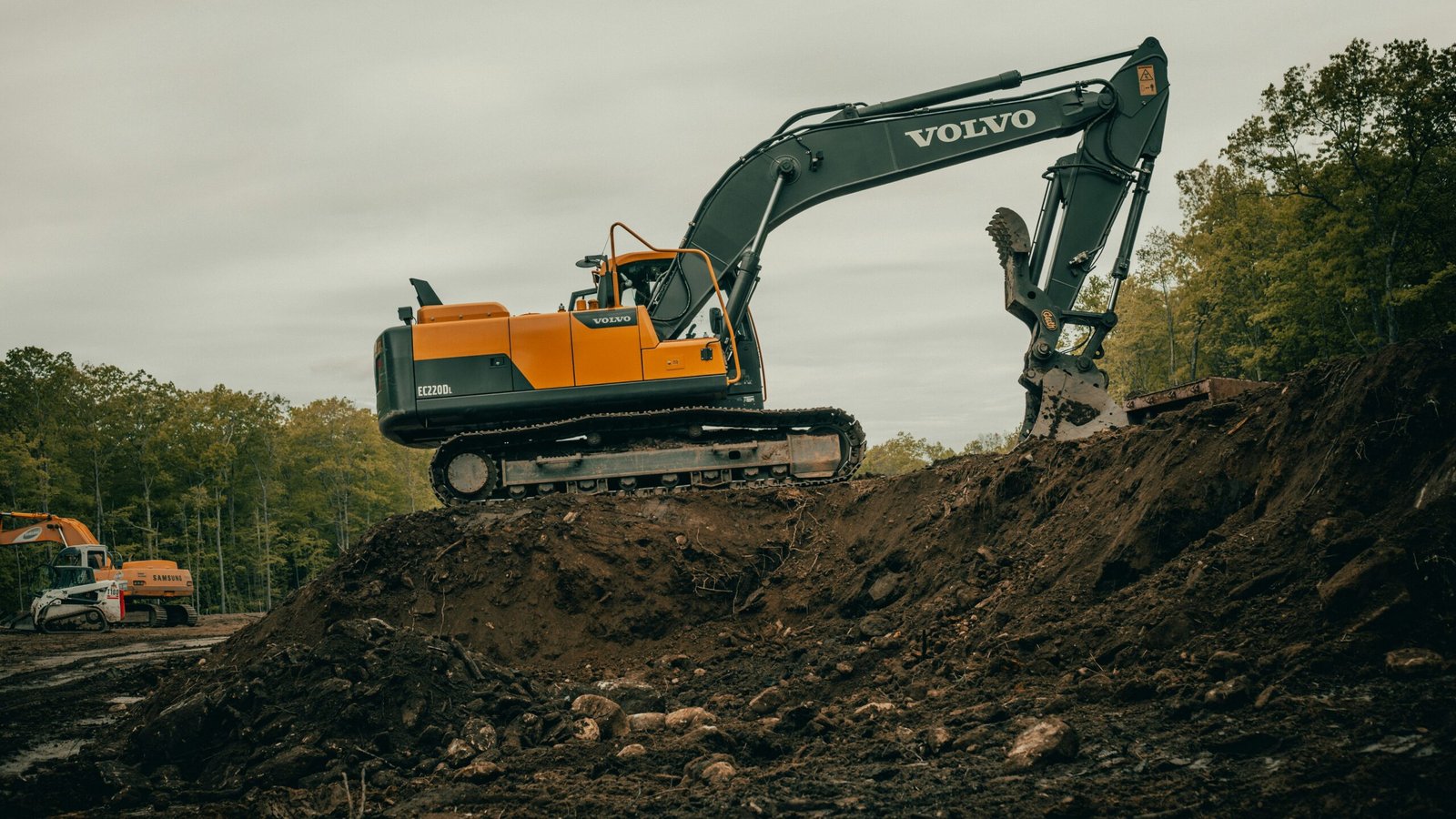
After the site has been cleared, it is time to survey the land. Even if it seems relatively flat, it is important to consider slopes and how the land may need to be excavated, dug down, or built up in places in order to meet building codes or simply make the job easier. Excavation can be required for many reasons for many types of projects. Trenches, footings, drainage ditches, driveways, retaining walls, swimming pools, and service trenches are only a few of the many reasons that excavation may be necessary. Excavation should always be handled by professionals, as it can be a complicated and technical task that requires permits or special consideration. The depth and scale of the excavation will vary depending on the project, but care should be taken to prevent any damage to nearby structures by vibrations or shifting soil.
Manage Soil Removal and Ground Stability
Soil removal and proper disposal are often a part of land preparation. Excavating or leveling land often produces surplus dirt or rocks that must be removed or replaced in other areas. Sometimes, the removed material can be reused or incorporated back into the land, but other substances like clay, rock, or garbage must be disposed of somewhere else. Compacted soil is also a concern, especially when it comes to paving, landscaping, or slabbing. Compacted ground can shift and crack over time, ruining concrete, driveways, and other worksites. This is where professional earthmoving becomes important. Levelling land correctly is not just about making it look flat.
Ensure Proper Drainage
Drainage is another concern, one that is often overlooked until it is too late. The land should be prepared in such a way so as to direct water away from valuable or delicate sites such as buildings, slabs, or other structures. Water should always be moved away from such a site, as wet ground tends to erode more easily and can undermine foundations and slabs.
Plan Access for Heavy Machinery
A worksite should also have access for large machinery, if needed. If large machines must enter and exit the site, a road or easement should be prepared so as not to damage driveways, fences, gardens, or other structures. In some cases, the lack of a suitable access point will limit the scope of any project, due to the inability of larger machines to enter the site.
Hire Professionals for Safe and Effective Land Preparation
Land preparation is nearly always a necessary step in any building or renovation project, and one that should be taken very seriously. Excavation and leveling can be hard work, and require special equipment to complete. For your safety and for the integrity of your project, it is important to hire a professional land preparation service to assist you. Land preparation involves many steps and considerations, but with a little help from experts in the field, you can get your site cleared, excavated, graded, and ready for the next step.