
Picking an air conditioner isn’t about grabbing whatever sits at the front of the shelf. Saving money starts with a unit that suits how much air needs moving through your rooms. Fit matters – too small, it runs nonstop; too large, it wastes power before shutting off early. Daily habits shape what works: someone who forgets chores might need less fussy maintenance demands. Size links closely to routine choices, like whether checking filters every month fits into life without hassle.
Consider the Size of Your Space
Figuring out your room’s square footage comes first when picking a cooler. Cooling strength shows up in BTU numbers on every model. Too small a machine struggles to bring down heat. On the flip side, too large a system guzzles power while leaving spots chilly. A balanced fit runs smoother and evens out temperatures.
A space’s size in square feet helps decide which cooler fits best. Consider a model rated between 6,000 and 8,000 BTUs if the room measures around 250 sq ft. Go for about 12,000 BTUs when dealing with 500 sq ft. Tall ceilings can push demand higher. Poor insulation tends to increase needs too. Sun hitting windows often adds extra burden.
For readers who enjoy discovering practical technology insights and digital trends, TechPount offers a wide collection of helpful resources.
Decide on the Type of Air Conditioner
There are several types of air conditioners available for home use:
- Window Units: They are mounted in a window and can be used to cool single rooms. They are inexpensive and simple to install, but could block out sunlight.
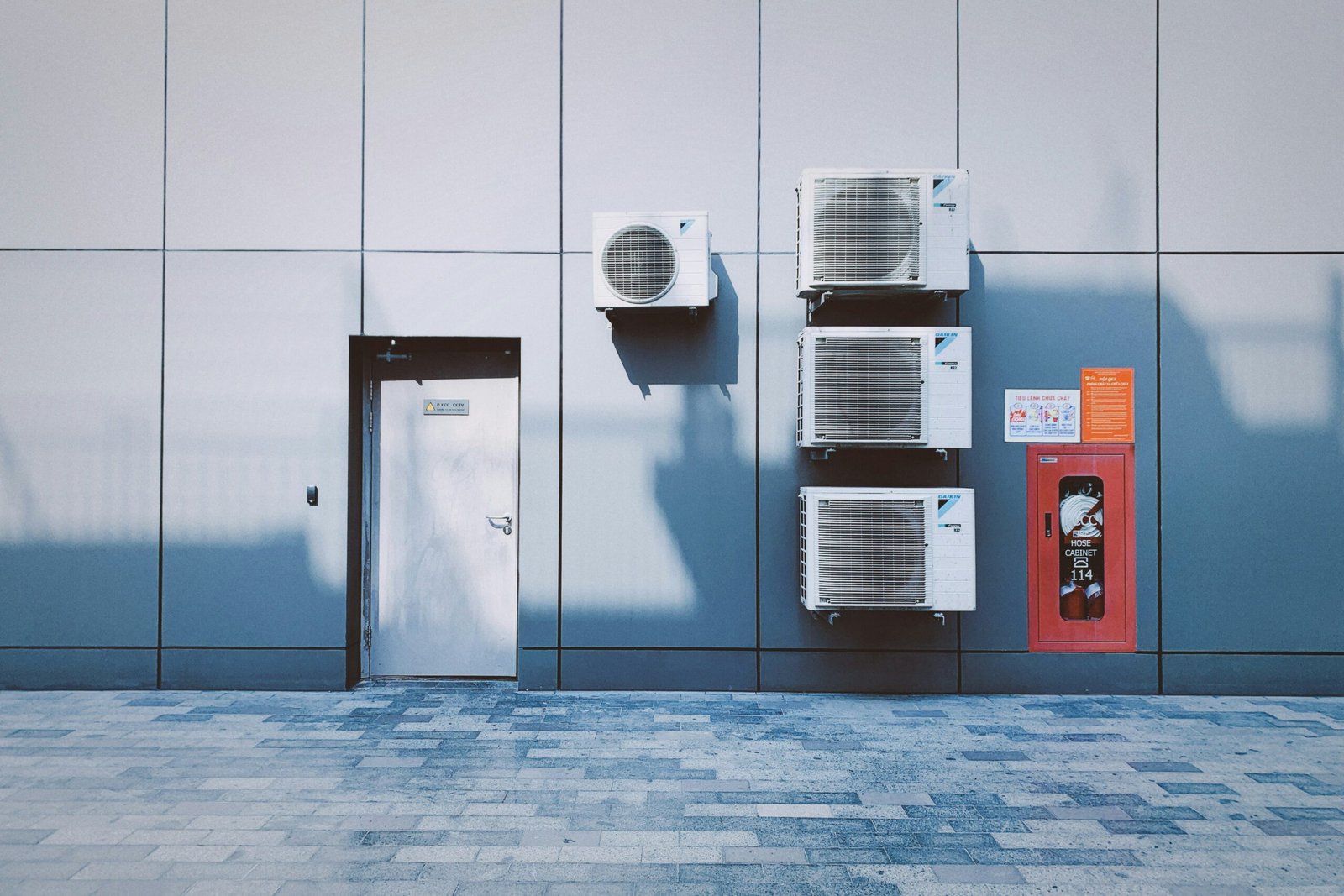
- Split or Ductless Systems: These consist of an indoor unit and an outdoor compressor. They provide efficient cooling and are ideal for homes without ductwork.
- Portable Units: These are portable units that vent out of a window. They are flexible, but generally less efficient than the other options.
- Central Air Conditioning:This system cools your- whole home through ductwork.It is the most costly choice, but provides steady cooling and brings value to your home. .
Whatever model you prefer, frequent air conditioning cleaning is necessary for keeping your unit running efficiently and for prolonging its lifespan.
Check Energy Efficiency
Energy efficiency is a big consideration in an air conditioner. Seek out models with a high Energy Efficiency Ratio (EER) or Seasonal Energy Efficiency Ratio (SEER). The higher the rating the less electricity the appliance will consume for the same amount of cooling.
Energy-efficient units might cost more up front, but will save you money in the long-term on your power bills. In addition, energy-efficient models tend to include features such as programmable thermostats and eco-modes, which help lower energy consumption. Routine cleaning of AC can contribute to energy efficiency by preventing dust and debris accumulated on filters and coils.
Consider Noise Levels
A few coolers tend to grow noisy enough to break your focus during work or rest. Look at units listing sound output by decibel number instead. Central setups often run quieter than window types, which might shape what feels right. Split systems usually hum less compared to pre-built options sitting in walls
When noise bothers you, pick a machine that runs more quietly or put it somewhere the sound won’t get in the way. Keeping your air conditioner clean helps avoid strange sounds – gunk building up in the fan or motor often causes them.
Explore Extra Features
A single button might handle cooling plus airflow settings. Features differ across models but often help manage room temperature more easily. Cool air delivery can adjust by time of day. Remote controls let users change things without moving. Automatic restart works after power cuts. Filters clean dust while the machine runs. Night mode keeps noise low when it is dark outside. A digital screen shows current conditions clearly. Timers turn units off at set hours. Some systems connect to phones for updates
Operation becomes simpler when using either a remote or connecting to your home’s smart system. Whichever way you pick, tasks feel more natural day by day. A bit damp? This setting pulls extra wetness right out. Moisture slips away quietly while the machine hums along. The air feels lighter after a while. Water collects where it belongs – not on your walls. Breathe easier once the misty heaviness fades.
When it gets dark, the system slows down to save power. Air purification or filtration systems to improve indoor air quality.
Even when things run smoothly, that cool comfort needs care now then. Every piece inside must stay clean so performance doesn’t drop off. Dust builds up, airflow slows – a proper cleanup keeps everything moving right.
Think About Setup and Upkeep
Installing some types of coolers takes little effort. Window models slip right into place. Portable ones roll where you need them. These two kinds rarely cause headaches later on. Split setups involve more parts. Central versions require skilled hands from the start. A technician must handle their setup. Getting it wrong brings trouble down the line.
Every so often, someone should wipe down or swap out filters, look at how much coolant remains, and also inspect the coils closely. Cleaning your cooling unit on a routine basis stops gunk and mildew from gathering inside, making it run better while pushing fresher, colder airflow through rooms. Yearly expert maintenance is what most makers suggest if you want steady operation without hiccups.
Budget Wisely
Truth is, price tags shape decisions. While cheap models catch attention, hidden expenses pile up – think power use, setup fees, repairs. Spending slightly more upfront on a smarter machine might lower monthly bills. Cooling improves too when upkeep stays simple.
Evaluate Your Home’s Insulation and Layout
The efficiency of an air conditioning unit is not only determined by the unit itself; your home’s insulation, quality of your windows, and layout play a big part. And a well insulated house may need a smaller unit than a poorly insulated house, open plan houses could use several smaller units. Periodic air con cleaning means your investment in energy efficient cooling pays off, no matter how your house is laid out.
Conclusion
To summarize, balancing the requirements of space, energy efficiency, noise, features and maintenance is what was required in order to select the best air conditioner for your home. If you consider these things and keep up with the regular cleaning of the air con, you are guaranteed importance year-round in reliable and efficient comfort. An informed decision will not only make you more comfortable, but it will also help you save money and protect the air in your home for years to come.