

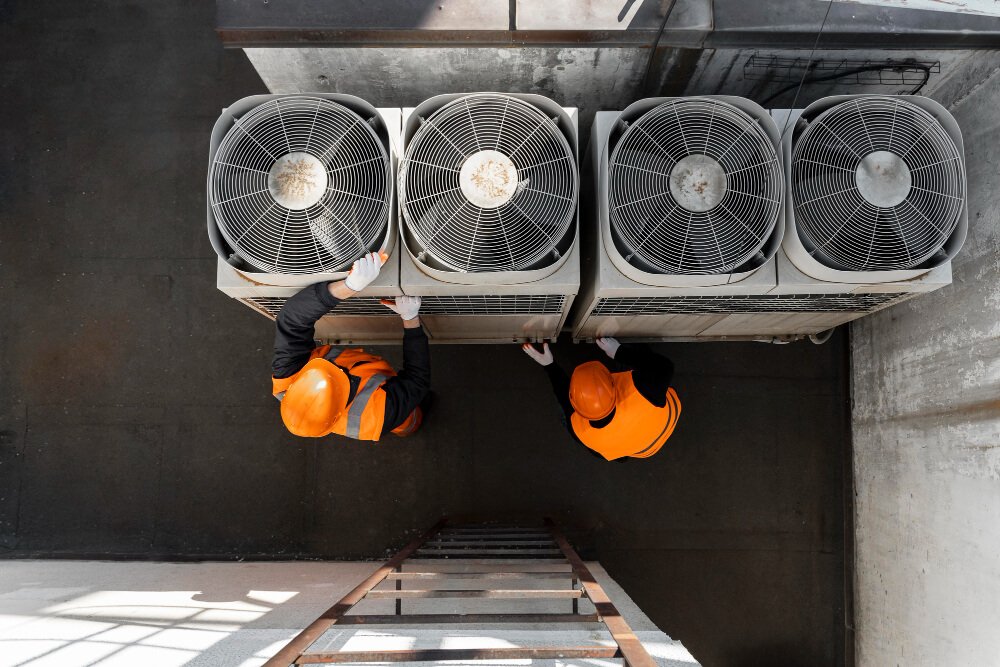
Out here, where speed rules the market, hidden systems keep everything running – cooling tech, cleaning gases. These quiet players shape how factories and plants operate across the world.
Fresh fruits at grocery stores, along with oil drilled deep underground, rely on machines built to last – machines that never quit. Sitting right in the middle of it all are Compressors, tough devices doing heavy lifting behind the scenes every single day. Instead of just moving air, they push entire systems forward, changing how factories, farms, and power plants operate from within. What unfolds next reveals quiet shifts: smarter pressure control, less waste, better results without flash or noise. These changes slip under the radar, yet shape much of what powers life now.
Explore how Revolutionizing Thermal Management is shaping modern cooling solutions with practical insights on TechPount.
Modern Compression Systems and Their Importance
Most big cooling systems depend on strong compressors to keep things running. These machines squeeze gas into tighter spaces, raising its pressure along the way. What happens next shifts everything – the refrigerant grabs warmth right out of places like giant freezers, cargo ships, or factories handling tons of food. That heat then moves away, dumped somewhere else entirely. Take those units out of play, and transporting fresh goods across long distances falls apart fast.
Out in tough corners of industry – think oil extraction, fuel refining, or new biogas setups – squeezing gases into smaller spaces isn’t just helpful; it keeps everything running without risk during movement, holding, or change. With factories and plants spreading further worldwide, machines must keep going longer and harder, pushing design teams to build systems that last under pressure. Though old-style piston units did fine for years, today’s operations expect more: smarter performance, simpler mechanics, and far fewer stops for repair. Because of this steady push, spinning compressors have quietly taken over sites from one coast to another.
Screw Compressors: An Engineering Advance Of The Modern Age
Most industries now depend on screw compressors when steady performance under heavy gas loads matters most. Instead of pistons, they work through a pair of twisted rotors locked together with exact precision. From start to finish, rotation pulls gas into widening gaps shaped by rotor surfaces and housing wall. Movement forward narrows those spaces slowly. This slow squeeze cuts down pulses common in older piston types. Efficiency climbs due to fewer stops and smoother flow. Durability increases because shaking stays low across hours of operation.
Screw Compressors bring more than just efficiency – they keep running. Not stopping much means less downtime, something few machines manage so well. With only a handful of parts inside, unlike piston-driven versions, they glide through operation smoothly. Their movement flows like a wave rather than jerking back and forth. Less shake, less stress on components – that adds up over time. Built tough, these units hold up when others would fail. Places that never sleep – ports, giant warehouses, beer factories – lean on them daily. Out at sea or deep inland, performance stays steady without surprise drops. Reliability here isn’t lucky – it’s designed.
Even so, these smart setups adjust quickly when work needs shift. When loads change size or intensity, they keep running without slowing down – linking smoothly into digital dashboards that track performance moment by moment. Picture someone overseeing gentle refrigeration for dried meals, then switching to controlling aggressive chemicals – all within the same setup. Through it all, this spinning tech holds its ground like nothing else out there today.
Industrial Screw Compressors Ready for Growth
Out in the world where machines face dust, heat, and nonstop work, regular compressors often fall short. Built tough from day one, industrial screw types handle what others cannot – extreme pressure, constant vibration, continuous cycles. They thrive where reliability means everything, not just performance but survival under strain. Inside huge cooling setups, big heating networks, and intricate gas loops, these units do the unseen lifting. Their shape, their size, even how they turn – all made for power that lasts when nothing else will.
Out in the wide world of food and drink making, screw compressors play a key role. Starting fast freezes on tons of meat, they keep things moving without delay. Moving beyond cold storage, these machines handle delicate heat shifts needed for milk work, fruit keeping, plus brewing tasks. Because they move huge volumes smoothly, spoilable goods stay protected through every stage. Meeting tough global rules comes naturally when performance stays steady under pressure.
Out past just feeding people, tough machinery pulls weight in power plants and chemical factories too. Not only do they run gas turbines at exact levels, but they manage vapors afterward – handling rough gases without breaking a sweat. Even under wild pressure swings or harsh conditions, these screw compressors keep steady. Lately, their job has shifted toward cleaner energy pushes across the planet. Take biogas setups: trapping methane safely, then squeezing it into usable form helps lock down lasting green fuel systems. Their work quietly supports what comes next in renewable progress.
The Essential Push for Sustainability and Predictive Maintenance
Nowhere is change happening faster than in industry’s approach to machines. Not only what they run on matters, but how carefully they’re watched and cared for over time. Instead of sticking with old chemical coolants, many plants now choose options found in nature – ammonia or carbon dioxide – for their cooling needs. These substances barely add to climate concerns when released, unlike older lab-made versions. Machines using small amounts of ammonia, driven by modern spinning compressors, show how clean performance can go hand in hand with steady results.
Out there, machines now run smarter because maintenance happens before problems show up. Starting with tiny shifts in how parts shake or heat builds up, sensors catch what humans cannot see. Instead of waiting for breakdowns, teams watch fluid health and movement patterns day by night. Because of this steady stream of clues, repairs happen only when needed. Machines last longer, hum quietly, waste less energy. Downtime shrinks without warning signs turning into disasters. Money saved piles up slowly but keeps growing.
Future Proofing Industries
Heavy machines that squeeze air have changed big parts of how factories and plants work worldwide. Not just keeping food cold on long journeys, they now help run clean energy projects too. Because companies put money into strong compressors – especially screw types built tough – they handle today’s tasks better while getting ready for unknown problems later. These spinning metal hearts inside industrial gear keep running longer, using less power, thanks to smarter designs born in labs last decade. Every year brings tighter builds, quieter operation, cooler performance – all stitched quietly into the backbone of making things at scale. Progress doesn’t shout; it hums inside steel housings beneath factory floors. What runs unseen powers what matters most.