

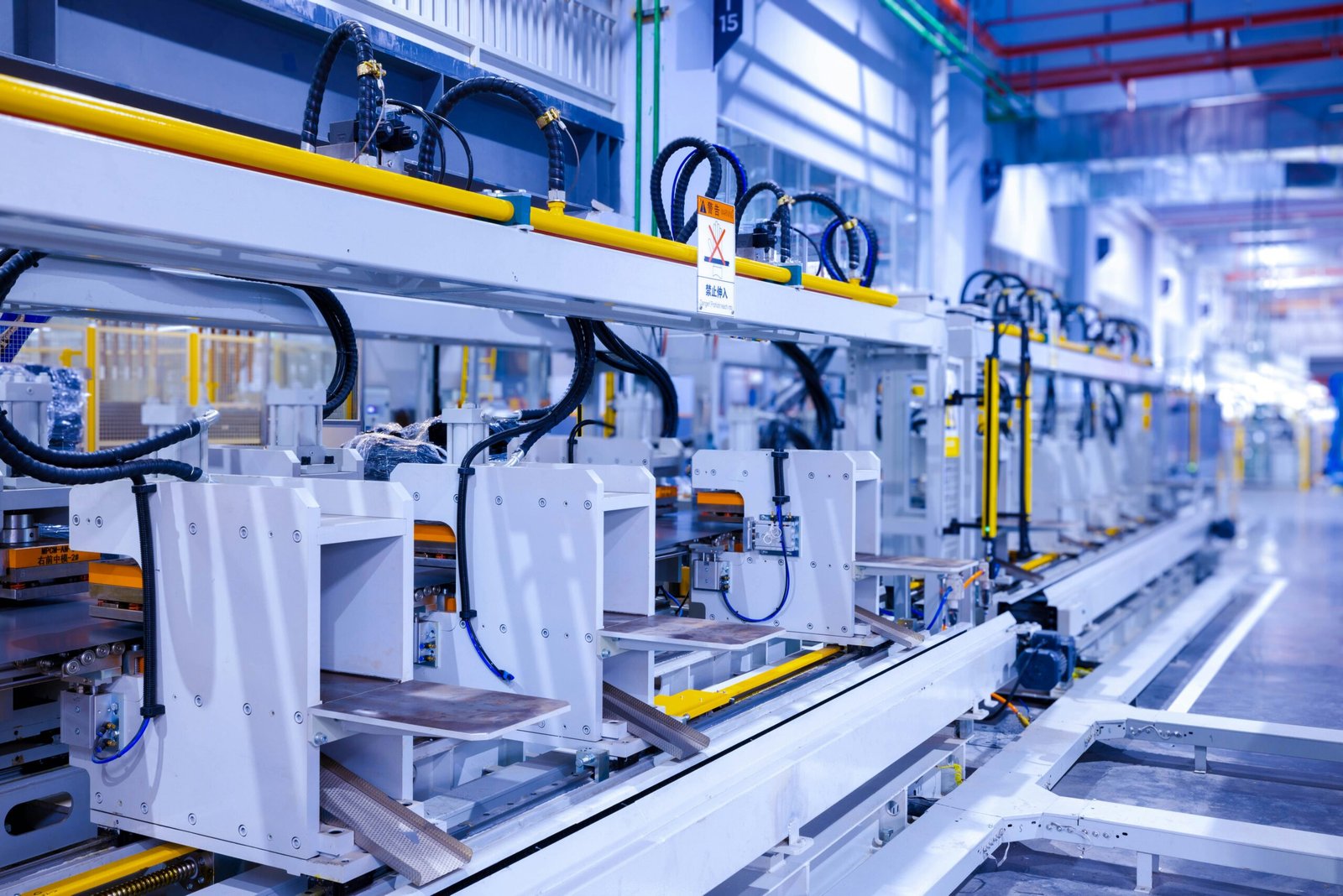
Electrical automation stands out when companies look to cut waste. Though many chase lower bills, few grasp how tech shapes daily power use. When machines adjust themselves using real-time data, less electricity slips away. Because smart sensors detect changes instantly, responses happen faster than human operators could manage. This shift doesn’t just trim expenses – it reshapes how factories run day to night. Even small delays fade when circuits make decisions in milliseconds. With precision timing built into operations, output stays steady without extra drain. Machines talk to each other now, sharing load details before demand spikes hit. Since adjustments occur ahead of need, surges get smoothed automatically. Over time, these tiny wins stack into major savings – both cash and carbon. Efficiency climbs not through overhaul but quiet upgrades behind the scenes.
Modern manufacturing facilities often combine electrical automation with cnc milling machine to improve production efficiency, reduce waste, and lower operational costs.
Electrical automation lowers energy use
Electrical automation means machines run using electric controls, needing almost no people nearby. Older setups tend to stay on all day, sometimes watched by workers who might miss inefficiencies. Instead, smart tech checks what is happening right now before making changes. Lights lower or stop when nobody is around because sensors notice empty rooms first. Heating and cooling adapt once they detect someone entering – or weather shifting outside. Less power gets used simply because decisions happen faster than a person could react.
Energy savings come naturally when machines adapt to real-time needs. Think of a factory floor where speed adjusts based on what must be made that day. Instead of running full throttle nonstop, systems ease back when possible – slower flows, lighter loads, smarter timing. As motors and pumps shift into lower gears, power use drops without sacrificing output. Bills shrink, slowly but steadily, month after month. Less waste means fewer emissions too, which quietly supports cleaner operations. Efficiency gains become environmental ones, almost by accident. Goals once separate now move together – cutting costs while easing pressure on the planet.Stay informed with practical articles and expert insights on Electrical Automation by visiting Techpount.
Electrical Automation Improves Operations
Another significant advantage of electrical automation is its ability to enhance operational efficiency.Most people overlook how much smoother things run when machines handle routine checks. Right there, automated tools keep an eye on gear around the clock – spotting odd behavior early instead of waiting for breakdowns. Trouble shows up quietly at first; alerts pop just before small glitches turn into big problems. Because repairs happen sooner, work doesn’t halt unexpectedly, which keeps output steady. Machines running clean mean less wasted power, so bills drop without extra effort. Over time, devices last longer simply because strain gets caught and corrected fast.
When lights turn on only if someone is near, power gets saved without anyone lifting a finger. Office spaces stay lit just enough because sensors watch sunlight and movement alike. Machines in factories often run heavy jobs late at night, avoiding crowded grid times. Costs dip when energy use shifts like this, quietly reshaping daily operations. Savings pile up simply by timing things right, not working harder.
Connecting To Renewable Energy
Power from the sun or wind finds its way into factories and offices thanks to smart electrical setups. When sunlight fades or winds slow, machines adjust on their own to keep power steady. These systems watch how much energy flows where, making sure none goes to waste. Instead of waiting for humans, controls shift supply based on what the weather gives. Firms cutting back on outside electricity rely more on nature’s rhythm when tech handles the load. Savings grow quietly as lights stay on using cleaner methods. Efficiency hides in small shifts – no fanfare, just fewer bills and less harm.
Most times, machines handle power tasks while watching how much energy flows through different spots at once. A main computer grabs details about electric flow, gear performance, and how things run day by day. When teams study these facts, weak points show up – fixes follow, savings grow, results get measured over months. Staying sharp like this matters deeply if cutting waste and spending less later stands as a goal.
Long Term Savings and Eco Impact
Energy saved through automated systems shows up right on the bill. When machines run without delays and consume less power, expenses drop noticeably. That extra room in the budget often moves toward new tools or better skills for staff. Over time, smart use of electricity fuels smarter business steps.
One reason firms adopt electrical systems is because they cut expenses while easing pressure on the environment. When machines use less power, pollution drops – a shift that lines up with legal standards and long-term green targets. Firms serious about saving energy often gain favor with customers who care about nature, along with backers who value responsibility. With electricity prices climbing worldwide and rules growing stricter, smarter wiring pays off more over time, both in savings and how others see the company.
Enhancing Strategic Decision-Making
Most people overlook how automation supports planning work. Machines quietly collect details on power use, workflow speed, and machine health. Because these records exist, leaders adjust shifts, plan fixes early, or shift resources wisely. Hidden savings appear when trends are studied – things eyes and logs might miss entirely.
Conclusion
One way to look at it: machines handling tasks once done by hand cut down on power use and expenses. When systems run smarter, they need less fuel, spot problems early, avoid breakdowns through foresight instead of waiting for failure. Sunlight and wind join the mix smoothly when wiring adapts in real time. Numbers pulled from daily operations guide choices without guesswork. Companies using such tools often see smoother workflows, fewer leftover materials, longer-lasting results. As saving energy links more tightly to earnings and care for nature, upgrading circuits and controls shifts from gadget swap to forward-thinking planning. Efficiency grows, spending shrinks, impact lasts.